 services@aitchsoft.com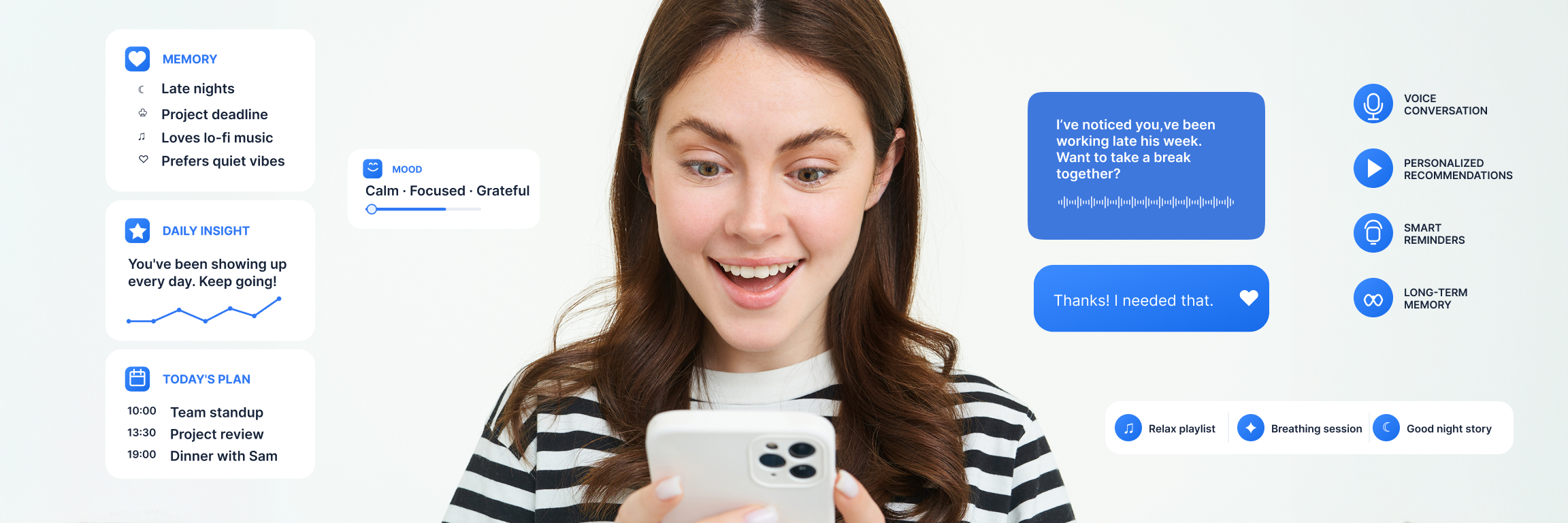
Introduction:
"The next big step for artificial intelligence is conversation — not just computation." Sundar Pichai, CEO of Google, said this years ago.
In 2026, it has proven true.
AI chatbots have moved far beyond answering questions. They now understand context, remember preferences, adapt to your communication style, and carry on genuine conversations. People are no longer looking for robotic, transactional exchanges. They want AI that feels natural, responsive, and human.
The market reflects this. The global chatbot industry was valued at approximately $9.56 billion in 2025, according to Grand View Research, and continues to grow.
That growth is not driven purely by business automation. It is driven by people who want better conversations.
A 2025 study published on arXiv found that many users turn to AI companions for emotional support, social engagement, and everyday conversation. This is not a niche behavior. It is a shift in how people relate to technology. AI is no longer just a tool. For many, it is becoming a presence.
From Scripts to Conversation: The Evolution of AI Chatbots:
The earliest chatbots were simple. They matched keywords to scripted responses. If your question did not fit the script, the system failed. Conversations felt rigid. Users quickly hit dead ends.
Natural language processing changed everything. AI systems stopped relying on fixed scripts and began understanding intent. They could analyze context, interpret meaning, and generate responses that felt genuinely responsive. IBM Research has documented how advances in machine learning allowed chatbots to become adaptive across industries, moving from customer service bots into genuine conversational partners.
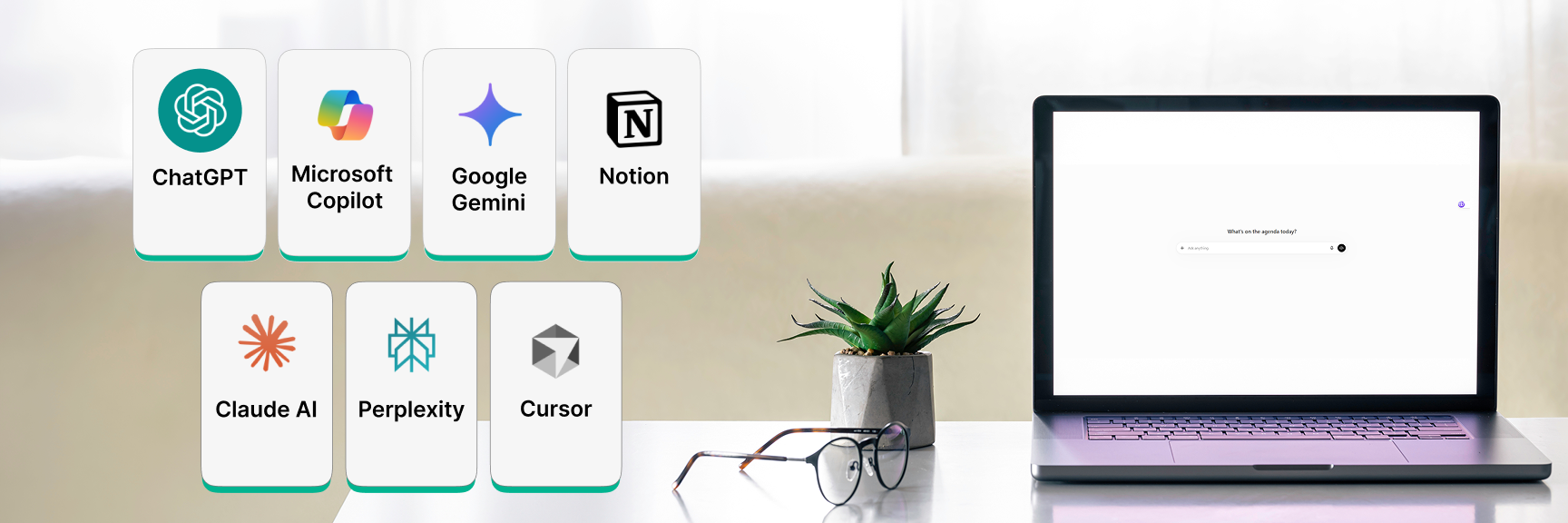
The release of large language models accelerated this shift. ChatGPT, Gemini, Claude, and similar platforms showed millions of users what AI conversation could feel like. People were surprised. The interactions were fluid, contextual, and sometimes even enjoyable. The old perception of chatbots as clunky FAQ machines began to fade.
Voice technology added another dimension. Statista projects that the number of voice assistant users in the United States will reach 153.5 million in 2025, continuing a steady rise in adoption as more users prefer voice-based interaction across smartphones, smart speakers, and AI-powered devices. Talking feels faster. It also feels more natural. When you can speak to a system and have it respond intelligently in real time, the line between AI and conversation begins to blur.
Memory and personalization completed the picture. Modern AI does not treat every conversation as a fresh start. It remembers what you discussed, how you like to communicate, and what topics matter to you. That continuity transforms the experience. Users stop feeling like they are talking to a machine and start feeling like they are talking to someone who knows them.
Factor Driving AI Companions | Explanation | Real-World Impact / Example |
Growing Digital Lifestyles | People spend more time online and prefer fast digital communication. AI companions fit naturally into modern online behavior. | Users interact with AI daily for chatting, productivity, and entertainment. |
24/7 Availability | AI companions are always accessible and respond instantly without waiting. | Users can talk to AI anytime for assistance, conversation, or support. |
Faster & Convenient Interaction | AI provides quick answers and seamless communication compared to traditional systems. | PwC research highlights rising demand for fast and personalized AI experiences. |
Personalization & Memory | Modern AI systems remember preferences, past conversations, and communication styles. | Users return to AI apps that feel familiar and context-aware over time. |
More Natural Conversations | AI conversations now feel smoother, contextual, and human-centered. | Chatbots are evolving beyond simple question-answer systems. |
Non-Judgmental Communication | Many users feel comfortable speaking with AI because there is no social pressure or criticism. | AI is increasingly used for brainstorming, emotional conversations, and learning. |
Emotional Engagement | Users value interaction and companionship, not just information retrieval. | AI companions become part of daily digital routines and habits. |
Rise of Voice AI | Voice-enabled AI makes conversations feel more natural and human-like. | AI voice assistants are integrated into smartphones, wearables, and companion apps. |
Productivity & Learning Support | AI companions help with tasks, creativity, and knowledge assistance. | Users rely on AI for idea generation, summaries, and personal productivity. |
Everyday Accessibility | AI companions are available across multiple devices and platforms. | Users interact through mobile apps, desktops, and smart devices. |
Shift From Tools to Companions | AI is evolving from task-based assistants into relationship-driven digital experiences. | Platforms like OpenAI’s ChatGPT, Google’s Google Gemini, and Chatti AI are used for companionship and conversation. |
Human-Like Interaction Trends | People increasingly expect technology to communicate naturally and intelligently. | AI companions are becoming more conversational, adaptive, and emotionally responsive. |
Why People Want AI Companions:
Availability is the first obvious reason. AI systems are there at any hour. They respond immediately. They never have a bad day. For users who want quick answers, casual conversation, or a brainstorming partner at midnight, that instant availability is genuinely valuable.
Personalization is the second. McKinsey & Company has identified personalization as one of the strongest drivers of engagement across all digital platforms. Users increasingly expect technology to adapt to them, not the other way around. When an AI remembers your preferences, matches your tone, and builds on previous conversations, it delivers something meaningfully different from a generic search engine.
Low-pressure interaction is the third reason, and it is often underestimated. Many people find AI conversations easier than human ones in certain contexts. There is no judgment. There is no social consequence. A Harvard Business Review report noted that users engage with generative AI not only for work tasks but also for brainstorming, emotional conversation, and personal productivity — contexts where the absence of social pressure creates space to think more openly.
Voice interaction has strengthened all three of these factors. Speaking naturally to an AI feels fundamentally different from typing into a search box. It is faster, more expressive, and more emotionally engaging. As voice AI integrates into smartphones, wearables, and companion apps, the experience becomes part of daily routine rather than a deliberate tool use.
Apps like Chatti AI reflect exactly this shift. Rather than positioning AI as a productivity assistant, they focus on the quality of the conversation itself — building in memory, voice capability, and personalization so that users return not just for information, but for interaction.
Personalization and Memory: The Engine Behind Engagement:
Every major digital platform today is built around personalization. YouTube learns what you watch. Instagram curates your feed. Google predicts your searches before you finish typing them. This is not coincidence. These companies discovered that personalization drives engagement. Users spend more time on platforms that feel tailored to them.
Conversational AI is following the same logic. The days of AI treating every session as a blank slate are ending. Advanced systems now retain preferences, remember conversational history, and adapt responses based on how individual users communicate. The result is continuity — conversations that build on each other rather than starting from zero every time.
McKinsey research confirms that users increasingly expect digital products to understand them. When AI delivers on that expectation, the difference is tangible. A user who returns to a platform and finds that it remembers their interests, their tone, and their ongoing projects experiences something qualitatively different from a user who has to re-explain themselves every session.
The underlying technology — machine learning, natural language processing, and contextual memory systems — is what makes this possible. IBM Research describes how machine learning enables AI to analyze behavioral patterns, improve over time, and serve increasingly relevant responses. In practice, this means conversations that feel less mechanical and more like genuine dialogue.
For AI companion platforms, memory is not just a feature. It is the foundation of the entire experience. Without it, every conversation is transactional. With it, the relationship develops.
Personalization & Memory Factor | How It Works | Why It Matters | Example |
Content Personalization | Platforms analyze user behavior to recommend relevant content. | Keeps users engaged longer by making experiences feel tailored. | YouTube recommends videos based on watch history. |
Predictive User Experience | AI anticipates what users may want before they ask. | Creates smoother and faster interactions. | Google predicts search queries while users type. |
Adaptive Social Feeds | Algorithms learn user interests and engagement patterns. | Makes platforms more addictive and personalized. | Instagram curates feeds based on interaction history. |
Conversational Continuity | AI remembers previous conversations and user preferences. | Conversations feel ongoing instead of restarting every session. | AI companions recall favorite topics or past discussions. |
Tone & Communication Adaptation | AI adjusts responses based on how users communicate. | Makes interactions feel more natural and human-like. | AI may respond casually or professionally depending on user style. |
Contextual Memory Systems | AI stores relevant conversational context over time. | Enables deeper and more meaningful engagement. | Users do not need to repeat the same information repeatedly. |
Machine Learning Integration | AI studies behavioral patterns to improve responses continuously. | Responses become smarter, faster, and more relevant. | IBM Research highlights AI improving through user interaction data. |
Natural Language Processing (NLP) | AI understands language structure, meaning, and intent. | Creates smoother and more conversational dialogue. | AI understands context instead of only keywords. |
Personalized Productivity Support | AI remembers projects, goals, and workflows. | Enhances efficiency and long-term usability. | AI assistants help continue ongoing tasks without re-explanation. |
Emotional Familiarity | Remembering preferences creates a sense of familiarity. | Users feel more connected to the AI experience. | AI companions feel less mechanical and more relational. |
Higher User Engagement | Personalized systems encourage repeated usage. | Tailored experiences increase platform retention. | McKinsey research shows users prefer products that understand them. |
Shift From Transactional to Relational AI | Memory transforms AI from a tool into an ongoing companion. | Builds long-term interaction rather than one-time usage. | AI companion apps develop continuity and relationship-driven engagement. |
Voice Interaction and the Shift to Natural Conversation:
Typing has always created friction. You have to think about what you want to say, form it into text, and send it. Speaking is faster and more instinctive. It is how humans have communicated for our entire history.
Voice assistants — Siri, Alexa, Google Assistant — made spoken interaction with technology familiar. Hundreds of millions of people now speak to their devices without a second thought. That familiarity has raised expectations. Users who speak comfortably to a home speaker expect the same naturalness from an AI companion.
Modern AI has risen to meet that expectation. Natural language processing now handles tone, pauses, and conversational flow. Responses feel less like database lookups and more like genuine replies. IBM Research notes that these advances allow AI to interpret not just words but conversational intent — understanding what someone means, not just what they said.
Voice also changes the emotional register of interaction. When you speak to something and it speaks back thoughtfully, the experience carries more weight than text on a screen. Users report feeling more engaged, more understood, and more connected through voice AI than through traditional chatbot interfaces. This emotional dimension is one reason AI companion apps are growing so quickly.
Platforms like Chatti AI build voice interaction into the core of the product rather than treating it as an add-on. The result is an experience that feels less like using software and more like having a conversation.
Emotional Connection: When Technology Feels Personal:
Users are forming emotional connections with AI. This statement can sound surprising, even unsettling. But it reflects something real and well-documented.
MIT Technology Review has reported that conversational AI systems are increasingly used for emotional support and everyday companionship. The reasons are not mysterious. When a system responds consistently, remembers your preferences, adapts to your mood, and engages with genuine conversational intelligence, human psychology responds. Familiarity builds. Comfort develops.
This is not a replacement for human relationships. It is something different — a new category of interaction that did not exist before. People engage with AI companions for the same reason they might journal, talk to a pet, or call a friend: to process thoughts, feel heard, and experience connection.
Voice interaction intensifies this effect. Speaking to an AI that responds naturally creates a stronger sense of presence than reading text. As AI systems become more expressive and context-aware, users increasingly perceive these interactions as meaningful rather than mechanical.
The broader implication is important. Users are no longer evaluating AI only on efficiency. They are evaluating it on the quality of the experience. That shift changes everything about how AI companion platforms should be designed — and it is the shift that platforms like Chatti AI are built around.
The Future of AI Companionship:
Several directions are clear from where the technology stands today.
Emotional intelligence will deepen. Future AI models will become better at reading tone, detecting sentiment, and adjusting their responses accordingly. Conversations will feel more attuned — less like talking to a system and more like talking to something that genuinely understands you.
Voice will become the primary interface. As speech recognition improves and voice AI becomes more natural, users will increasingly prefer spoken interaction over text. AI companions will integrate into daily routines through wearables, smart environments, and always-available voice interfaces.
Continuity will expand across platforms. Rather than living inside a single app, AI companions will maintain conversational memory across devices, environments, and contexts. A conversation that starts on your phone will continue seamlessly on your laptop or through a wearable device.
McKinsey's research on generative AI development points toward systems that are increasingly capable of sustained, personalized, and emotionally intelligent interaction. The trajectory is clear. AI companions will become more human-centered, more continuous, and more integrated into everyday life.
Conclusion:
AI chatbots began as simple scripts. They answered predetermined questions and failed at everything else. Today, they carry on genuine conversations, remember who you are, respond to your voice, and adapt to how you communicate.
This evolution is not just technological. It reflects a change in what people want from digital interaction. Users are no longer satisfied with transactional exchanges. They want conversation, continuity, and something that feels personal.
The rise of AI companions — platforms focused on voice interaction, memory, and personalized engagement — represents the logical next step. As natural language processing, emotional intelligence, and conversational memory continue to improve, the distinction between tool and companion will keep shrinking.
The future of digital interaction is no longer only about information. It is about connection — and AI is becoming capable of providing it.
Frequently Asked Questions (FAQ)
What is an AI companion?
An AI companion is a conversational AI system designed to interact naturally with users through personalized communication, memory, and voice interaction. Unlike traditional chatbots, AI companions focus on ongoing engagement and human-like conversation.
Why are AI chatbots becoming more popular in 2026?
AI chatbots are becoming more popular because they now offer natural conversations, voice interaction, personalization, and conversational memory. Users increasingly prefer AI experiences that feel interactive, responsive, and available anytime.
How do AI chatbots remember conversations?
Modern AI systems use technologies like machine learning, contextual memory, and natural language processing to remember user preferences, previous discussions, and communication styles. This helps create more continuous and personalized interactions.
Are AI companions replacing human interaction?
No. AI companions are not replacing human relationships. Most users interact with AI for convenience, productivity, brainstorming, entertainment, emotional support, or casual conversation alongside normal social interaction.
Why does voice interaction make AI feel more natural?
Voice interaction feels faster and more human-centered than typing. Speaking naturally with AI creates smoother conversations and stronger engagement, making interactions feel more personal and realistic.
What makes modern AI chatbots different from older chatbots?
Older chatbots relied on scripted responses and limited commands. Modern AI chatbots can understand context, generate human-like replies, adapt to user behavior, and maintain conversational continuity.
How are companies using AI personalization?
Companies like Google, Meta, and OpenAI use personalization systems to recommend content, predict preferences, and improve user engagement across digital platforms.
What role does Chatti AI play in this trend?
Chatti AI focuses on conversational AI experiences that combine personalization, voice interaction, and contextual communication to create a more companion-like digital experience.
What is the future of AI companionship?
The future of AI companionship will likely include more emotionally intelligent AI, improved voice interaction, deeper personalization, and integration across smartphones, wearables, and smart ecosystems.
Are AI companions only used for productivity?
No. Many users now use AI companions for communication, learning, brainstorming, entertainment, emotional conversation, and everyday interaction — not just productivity tasks.