
 services@aitchsoft.com
Xamarin to .NET MAUI Migration
Microsoft ended Xamarin support in May 2024. We migrate production Xamarin apps to .NET MAUI — incrementally, with a Xamarin baseline for regression testing, and without stalling your roadmap.
Book a free consultationWhy migrate now
Xamarin is end-of-life. The question is no longer whether to migrate — it's how much it will cost to keep waiting.
Support ended May 2024
Microsoft officially ended Xamarin and Xamarin.Forms support on 1 May 2024. No more security patches, no bug fixes, no platform updates — any CVE discovered today will never be addressed upstream.
iOS and Android platform drift
Apple and Google keep shipping breaking changes — new app-store requirements, target SDK bumps, privacy manifests. Xamarin will not keep pace, and every OS release widens the gap between what your app supports and what the stores accept.
The real cost of staying
Staying on Xamarin doesn't freeze cost — it compounds it. Hiring gets harder, third-party SDKs drop Xamarin packages first, and the eventual migration grows more expensive the longer the codebase sits unsupported.
Compliance exposure
Regulated sectors — healthcare, fintech, government — increasingly require evidence that production software runs on a supported platform. Xamarin-based apps are becoming audit findings.
Our migration methodology
A repeatable five-phase process we've refined across ten-plus production Xamarin-to-MAUI migrations.
Audit
Full inventory of your existing Xamarin codebase — every project, NuGet dependency, third-party SDK, custom renderer, effect, and platform-specific code path. We deliver a migration readiness report that scores each component by risk, reuse potential, and migration effort.
Deliverables
Migration timeline estimates
Every codebase is different, but here's how we scope migrations based on app size. All estimates are confirmed after a free audit.
Small App
2 – 4 weeks
Up to 10 screens, 1–2 Xamarin projects, minimal custom renderers
- ✓Full codebase audit
- ✓XAML port
- ✓Store deployment
- ✓1 post-release support cycle
Medium App
4 – 10 weeks
10–30 screens, 3–5 projects, custom renderers, third-party SDKs
- ✓Everything in Small
- ✓Handler rewrites
- ✓CI/CD pipeline cutover
- ✓Device matrix QA
- ✓Knowledge transfer
Enterprise App
10 – 20 weeks
30+ screens, multi-module solution, complex native integrations
- ✓Everything in Medium
- ✓Incremental module-by-module migration
- ✓Parallel Xamarin baseline
- ✓Full regression suite
- ✓Dedicated tech lead
Not sure which tier fits? We'll tell you after a free 30-minute audit — no obligation.
Book a free migration auditTechnical challenges we solve
Migrations fail on the details. These are the ten issues we've hit repeatedly across every Xamarin-to-MAUI engagement — and how we handle them.
iOS linker stripping XAML types
In release mode, the iOS linker routinely strips types only referenced from XAML, causing runtime crashes that never appear in Debug. We preserve the exact types your XAML uses through linker directives and automated validation on every release build.
OnPlatform breaking changes
OnPlatform wrapping patterns from Xamarin.Forms behave differently in .NET MAUI — particularly around resource dictionaries and implicit styles. We rewrite these to MAUI idioms that compile-check at build time instead of failing silently at runtime.
Localization .resx visibility
Resource files that worked under Xamarin.Forms often fail to load under MAUI's new resource pipeline — wrong access modifiers, neutral culture mismatches, or missing designer classes. We fix the build-time contract so every string lands where it should.
CI/CD pipeline migration
Your GitHub Actions workflows, Play Store signing, and TestFlight deployment scripts all need rework. We migrate pipelines from legacy MSBuild targets to .NET 9 / .NET 10 dotnet commands, preserving signing and provisioning so distributions keep flowing.
NuGet package source mapping
Multi-config solutions frequently pull different versions of the same package across projects. We consolidate via Central Package Management and source mapping so every build — Debug, Release, iOS, Android — resolves the same dependency graph.
Native SDK binding migration
Third-party SDKs that only ship Xamarin bindings need rebuilding against .NET for iOS / Android. We regenerate iOS bindings with Objective Sharpie and Android bindings from AAR/JAR with Metadata.xml transforms to resolve member clashes.
DI container migration
Xamarin.Forms DI wiring moves to MAUI's MauiProgram builder with first-class Microsoft.Extensions.DependencyInjection support. We migrate service registrations, factory patterns, and platform-specific implementations without losing any resolution semantics.
MVVM modernization
CommunityToolkit.Mvvm brings source generators that replace hand-rolled INotifyPropertyChanged boilerplate. We adopt it incrementally — your existing ViewModels keep working while new ones ship with [ObservableProperty] and [RelayCommand].
Renderer → Handler migration
Custom Renderers are the single biggest migration lift. We convert each to MAUI's Handler architecture, preserving the exact platform behavior you shipped. Where Handlers can't match the old behavior, we flag it up front — no silent regressions.
Platform-specific code organization
Sprinkled #if IOS / #if ANDROID conditionals become partial classes under MAUI's multi-targeting. We reorganize per-platform code into the Platforms/ folders so IntelliSense, refactoring, and test coverage all work properly again.
Migration track record
Ten-plus production Xamarin-to-.NET MAUI migrations across healthcare, fintech, enterprise SaaS, construction, consumer apps, field service management, and fantasy sports.
production migrations delivered
from single-founder apps to enterprise platforms
Healthcare, fintech, enterprise SaaS, construction, consumer apps, field service management, and fantasy sports
Additional engagements (industry references only)
Enterprise field service management vendor
Three legacy Android and cross-platform apps modernized as part of a phased platform migration.
Multiple consumer and SMB apps
Smaller-scale migrations for independent product teams and consumer-facing apps under NDA.
“Most of our migration work is under NDA. We share detailed technical references and anonymized case studies during consultation calls.”
Named migration engagements
from our portfolio

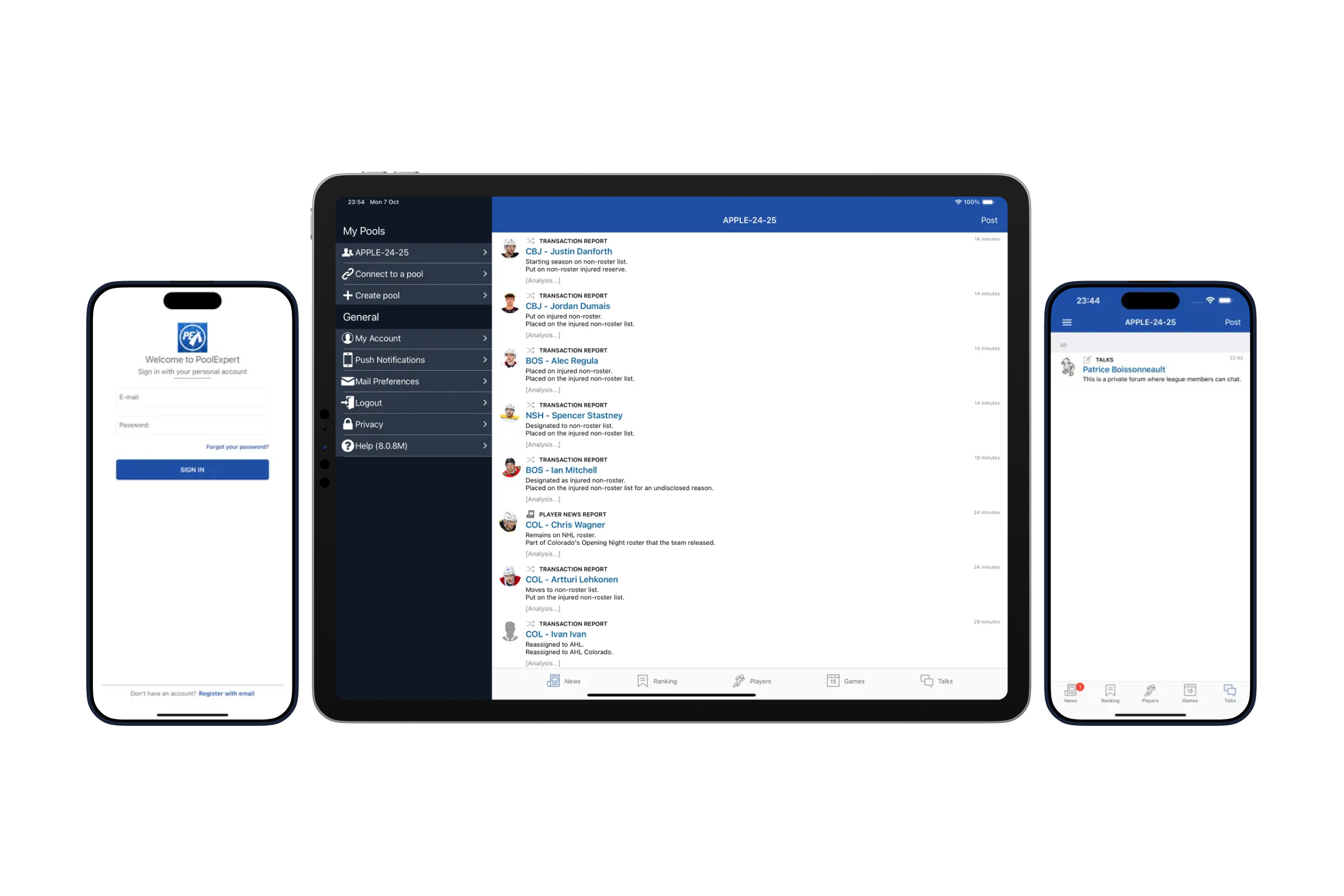
PoolExpert
The ultimate hockey and baseball pool manager — modernised for the next era


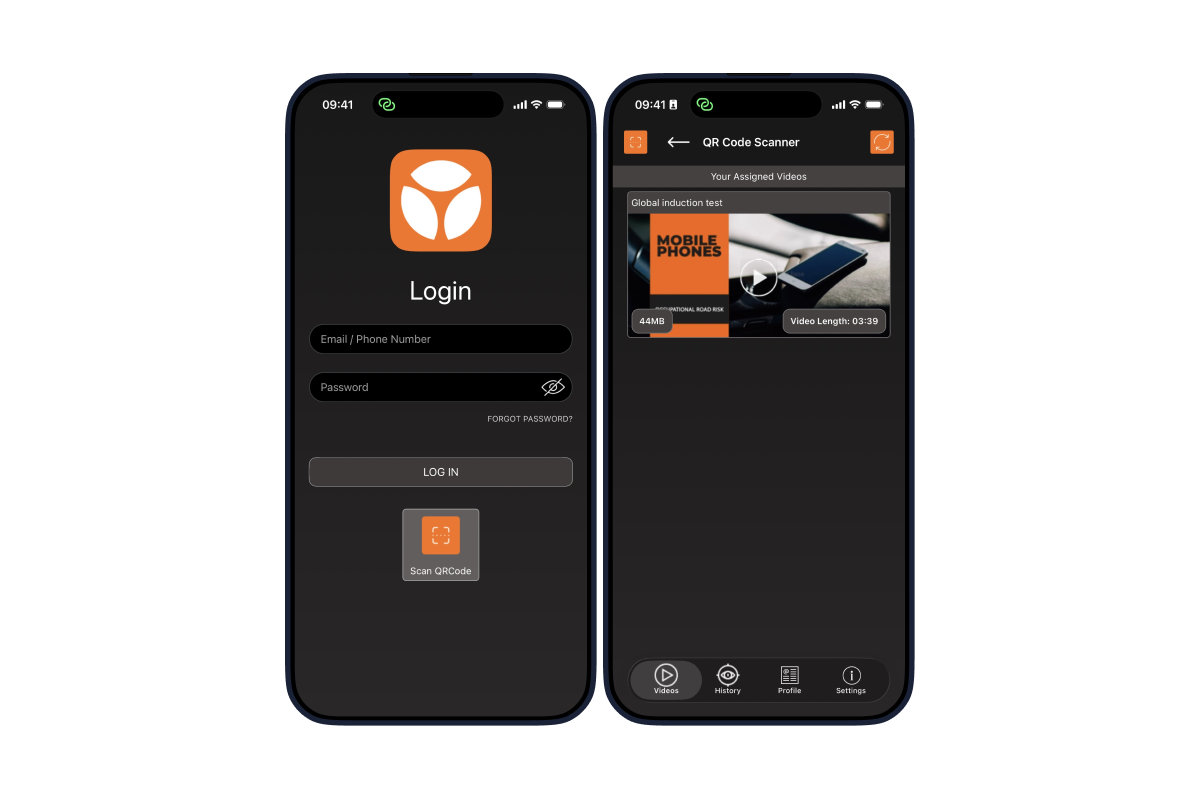
Tribuco
The mobile knowledge platform keeping UK construction sites safer and smarter.

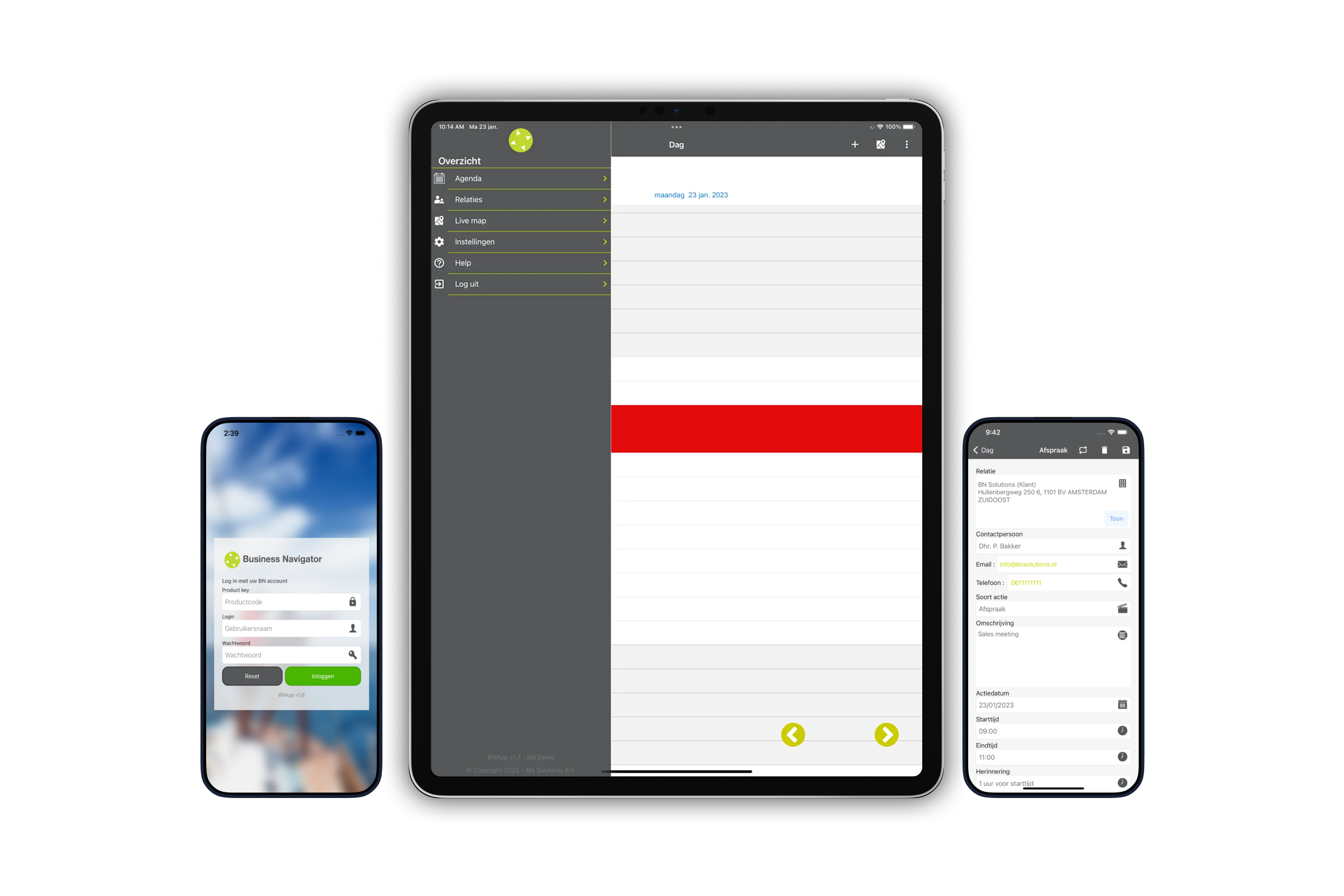
BNApp
Real-Time Field Service Management, Rebuilt for the Modern Stack

Stack & tooling
The tools we use across every migration engagement.
Target framework
IDE
CI/CD
Distribution
iOS binding generation
Metadata.xml transforms
MVVM + MAUI extensions
Backend integration

57+
Projects

50+
Collaborators in Network

30+
Clients Served

10+
Years Experience

3
Global Offices

100%
Job Success
( Top Rated Plus )
Frequently Asked Questions
Ready to scope your migration?
Book a 30-minute technical call. We'll walk your codebase at a high level, assess the scope, and tell you exactly what the migration involves — whether we work together or not.
Book a free migration consultation30-minute technical call. Scoped and direct.