 services@aitchsoft.com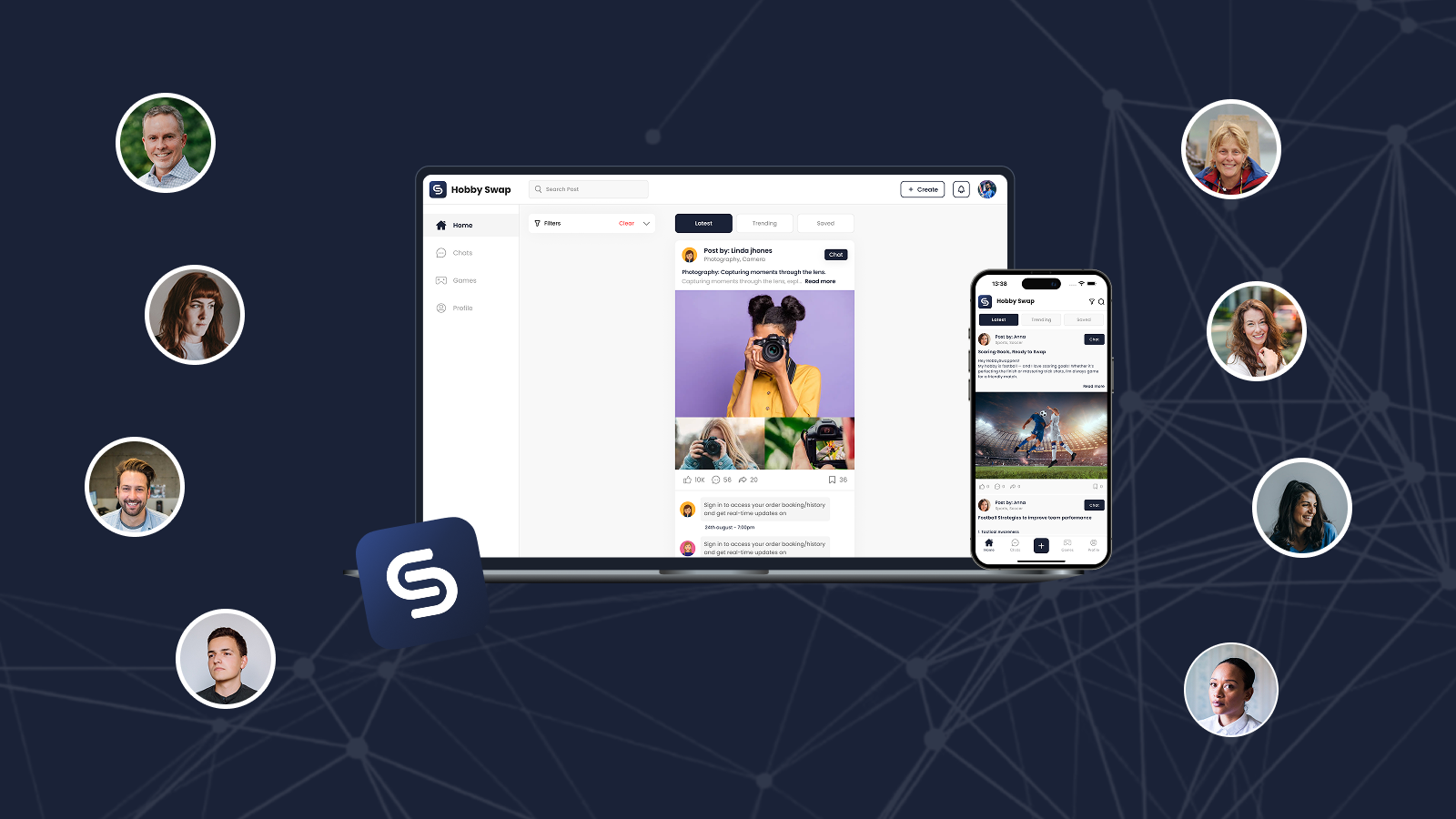
HobbySwap: Building a Social Platform Around Human Passions
Abstract:
The rapid growth of social media has transformed digital communication but has done little to facilitate meaningful relationships based on shared interests. This case study examines the development of HobbySwap, a community-driven platform designed to connect individuals through hobby exchange and collaborative learning. Using a product development case study approach, the research analyzes the identification of a market opportunity, evaluation of alternative platform strategies, adoption of a Minimum Viable Product (MVP), and iterative refinement through user-centered design. The findings indicate that integrating structured hobby exchange, location-based discovery, AI-assisted content creation, gamification, and continuous UX improvements strengthened user engagement while establishing a clear competitive differentiation from conventional social networking platforms. The case contributes practical insights into digital product strategy, innovation management, and community platform development, demonstrating how purposeful design and iterative decision-making can foster meaningful user participation and long-term platform sustainability.
Introduction:
In early 2025, while researching online communities and emerging social behavior trends, the founders identified a significant disconnect between the rapid growth of social media and the quality of human connection it fostered. Although billions of people actively engaged with digital platforms every day, many still struggled to find meaningful relationships centered around their hobbies and personal interests.
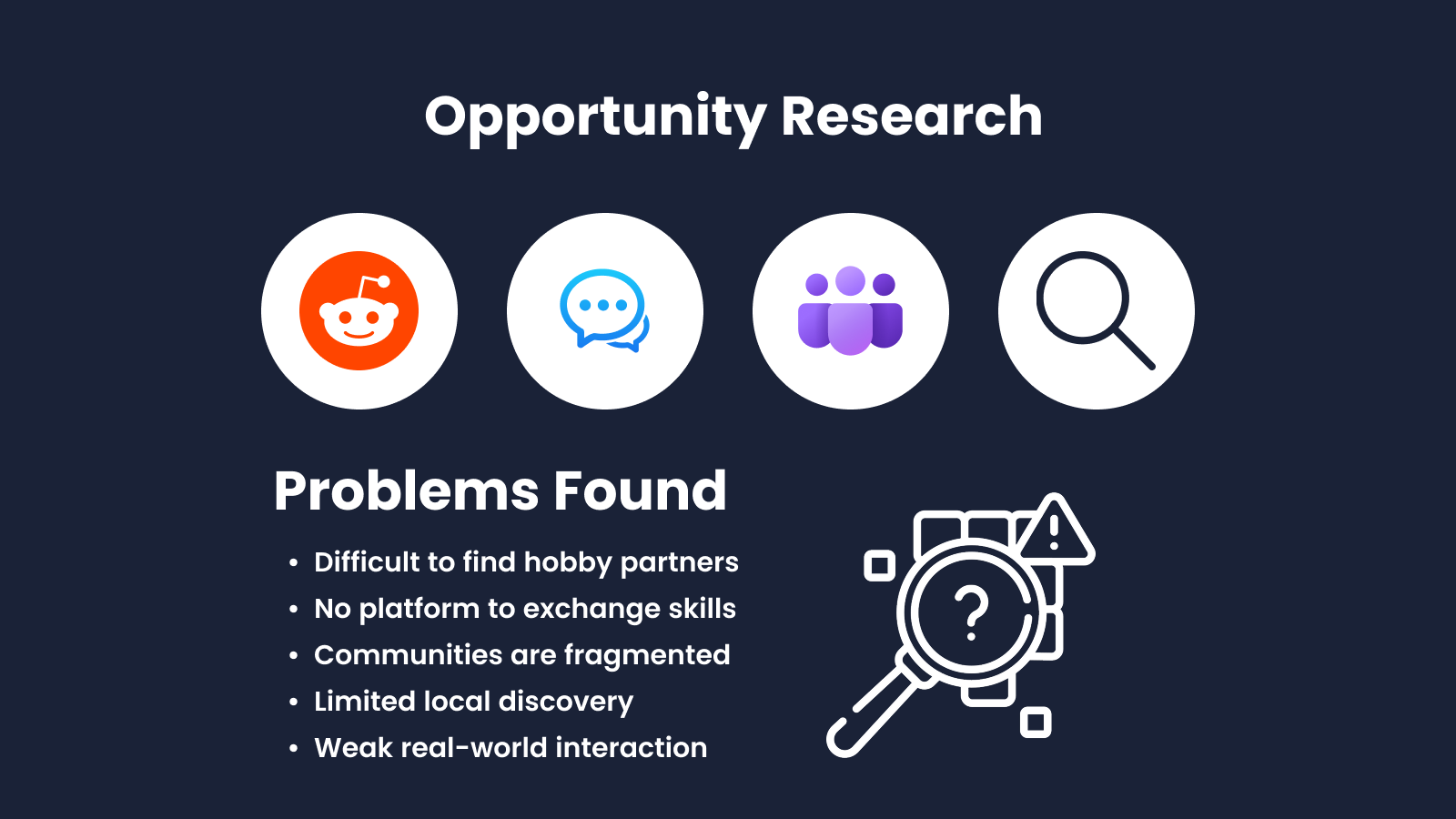
Conversations across Reddit communities, online forums, and discussion boards consistently revealed the same challenges: people found it difficult to meet others with similar interests, learn from experienced hobbyists, build genuine friendships, and stay motivated while pursuing hobbies on their own.
These recurring discussions highlighted an important insight—existing social platforms were highly effective at content discovery and entertainment but offered limited opportunities to create authentic, interest-based relationships. This observation aligns with broader research on social connection.
The U.S. Surgeon General's Advisory on Social Connection (2023) emphasizes that loneliness and social isolation have become major public health concerns, despite unprecedented levels of digital connectivity, underscoring the need for meaningful, community-driven interactions.
Similarly, research commissioned by The Cigna Group found that more than half of adults reported experiencing loneliness, highlighting that online engagement does not necessarily translate into real social connection. Recognizing this unmet need, the founders identified a recurring pattern: people already had hobbies, wanted to explore new ones, and were eager to connect with like-minded individuals, yet no platform was intentionally designed to make hobbies the foundation of lasting social relationships.
This realization inspired a simple but transformative question: What if hobbies themselves became the foundation for social interaction?
The answer to that question became HobbySwap—a platform built to transform shared passions into meaningful friendships by enabling people to discover new hobbies, learn from one another, and build authentic communities through common interests rather than passive content consumption.
What if hobbies themselves became the foundation for social interaction?
The answer would eventually become HobbySwap.
Industry Background:
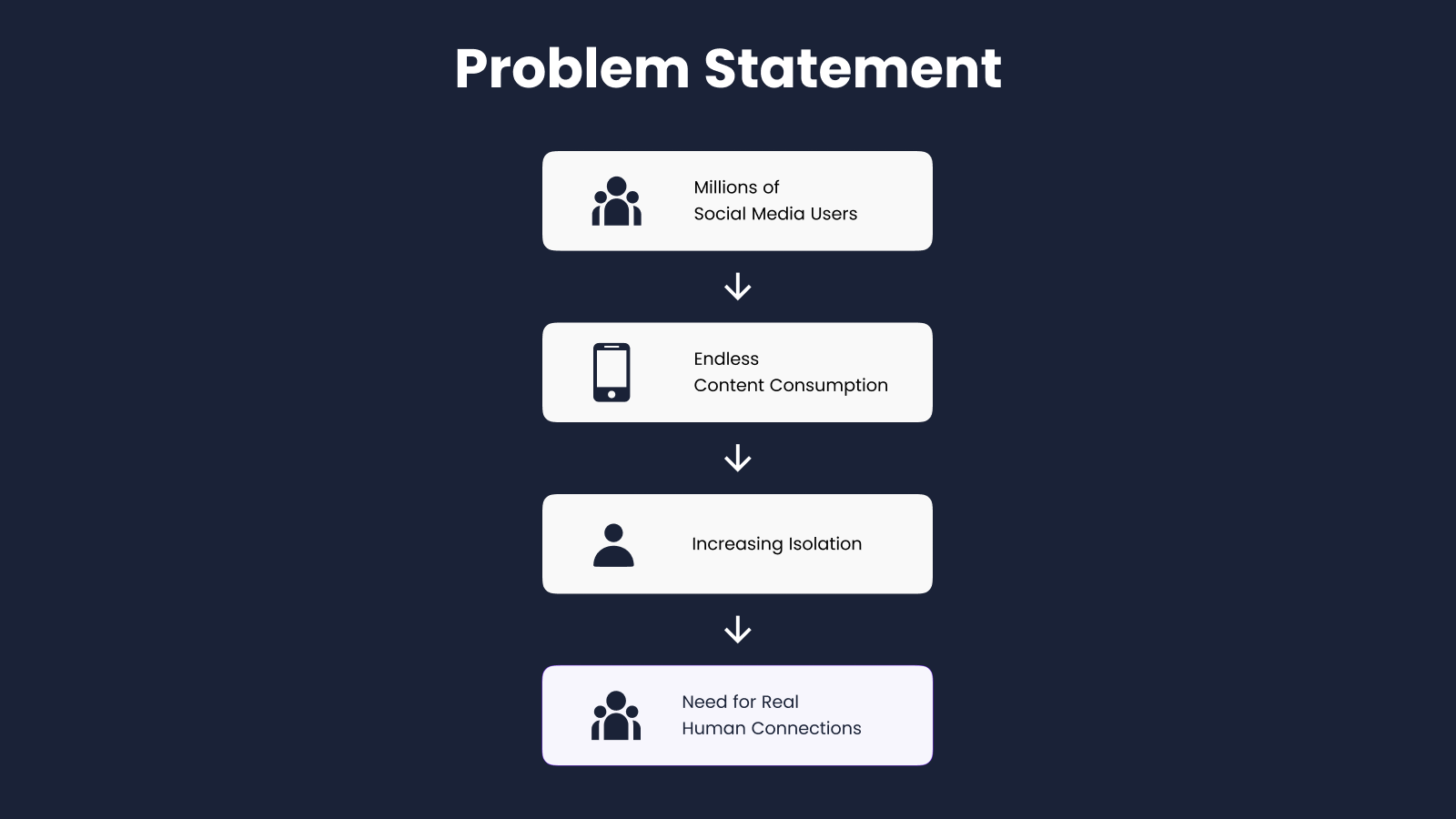
Over the past decade, the social networking landscape has changed dramatically. Platforms such as Instagram, TikTok, Facebook, and X have transformed how people communicate, discover information, and engage with online content. These platforms make it easy to watch hobby-related videos, follow creators, and join interest-based communities.
However, they are primarily designed to maximize user engagement and content consumption rather than encourage meaningful collaboration or real-world participation.
As a result, users often struggle to find people who are willing to teach a skill, learn together, practice a hobby, or build lasting friendships based on shared interests.
This challenge is supported by research from the U.S. Department of Health and Human Services, which highlights that despite increased digital connectivity, loneliness and social isolation continue to rise because online interactions do not always lead to meaningful relationships.
Likewise, studies by Pew Research Center show that while social media connects people virtually, it is less effective at creating deeper personal connections and active community engagement. These findings reinforced the founders' belief that a clear gap existed between consuming hobby-related content and actively participating in hobbies with others.
Recognizing this unmet need presented a unique opportunity to develop HobbySwap, a platform designed to help people connect through shared interests, exchange skills, and build genuine relationships beyond traditional social media.
Identifying the Opportunity :
The founders conducted extensive market research to validate whether the challenges experienced by hobby enthusiasts represented a genuine market need. Their research involved analyzing discussions across Reddit communities, hobby forums, and online discussion platforms, where users consistently expressed similar frustrations.
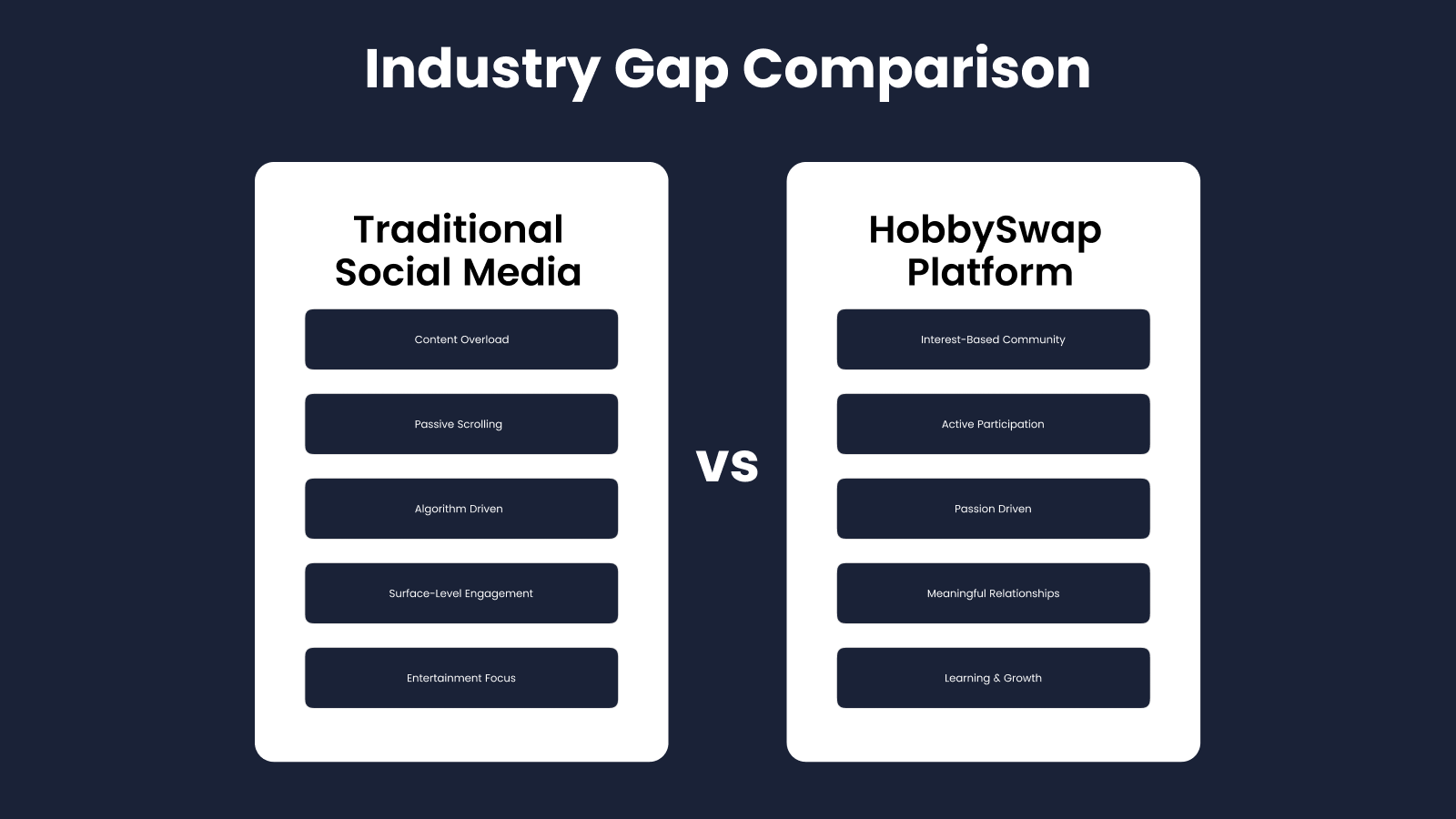
Common concerns included difficulty finding local hobby partners, limited accountability when learning new skills independently, challenges connecting with people who shared niche interests, and few opportunities to exchange knowledge through direct collaboration. Although digital platforms provided abundant hobby-related content, users repeatedly emphasized the need for meaningful interaction rather than passive content consumption.
These observations are supported by existing research on online communities and social participation. According to Statista (2024), social media usage continues to grow worldwide, with billions of active users generating and consuming content daily.
However, increased platform usage does not necessarily translate into stronger interpersonal relationships or active community participation. Furthermore, Ellison, Steinfield, and Lampe (2007) found that while online social networks can help maintain existing relationships, they are less effective in fostering new, meaningful connections without shared activities or common interests. This highlighted an opportunity for a platform designed around participation rather than passive engagement.
Based on these findings, the founders concluded that an effective solution should enable users to discover new hobbies, connect with individuals who share similar interests, exchange knowledge through collaboration, and build meaningful relationships both online and offline. These principles ultimately shaped the vision of HobbySwap, a platform designed to transform hobbies into opportunities for learning, collaboration, and lasting social connections.
Strategic Decision #1: What Should HobbySwap Become?
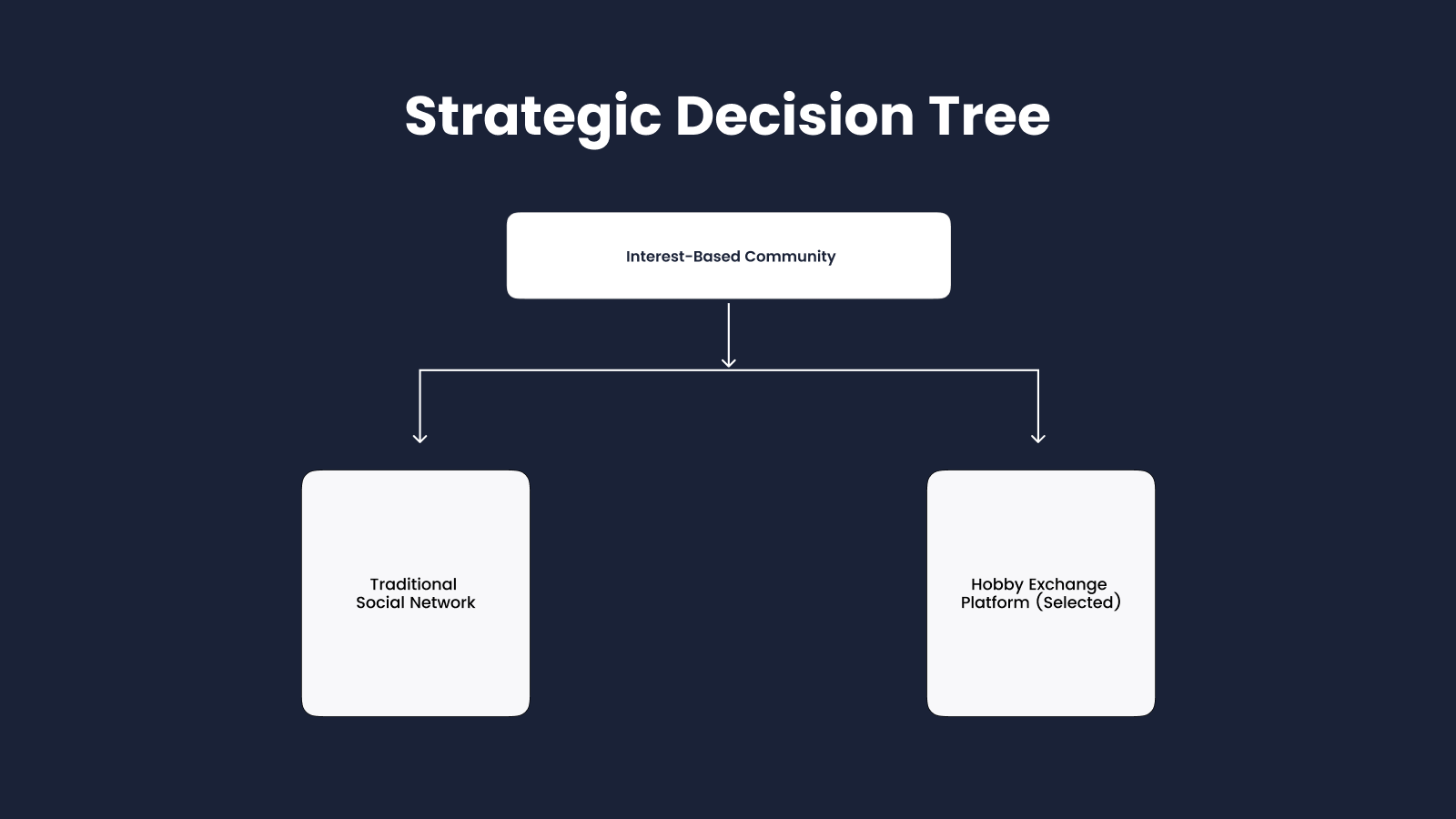
After identifying the market opportunity, the founders faced their first major strategic decision: determining the core identity of HobbySwap. One of the earliest concepts considered was developing a traditional hobby-focused social network. Under this approach, users would create profiles, share posts, follow other hobby enthusiasts, and engage through familiar social networking features.
This option offered several advantages, including a user experience that people already understood, a lower learning curve for new users, and a relatively faster development process due to the widespread adoption of similar platform designs. However, the team also recognized significant limitations.
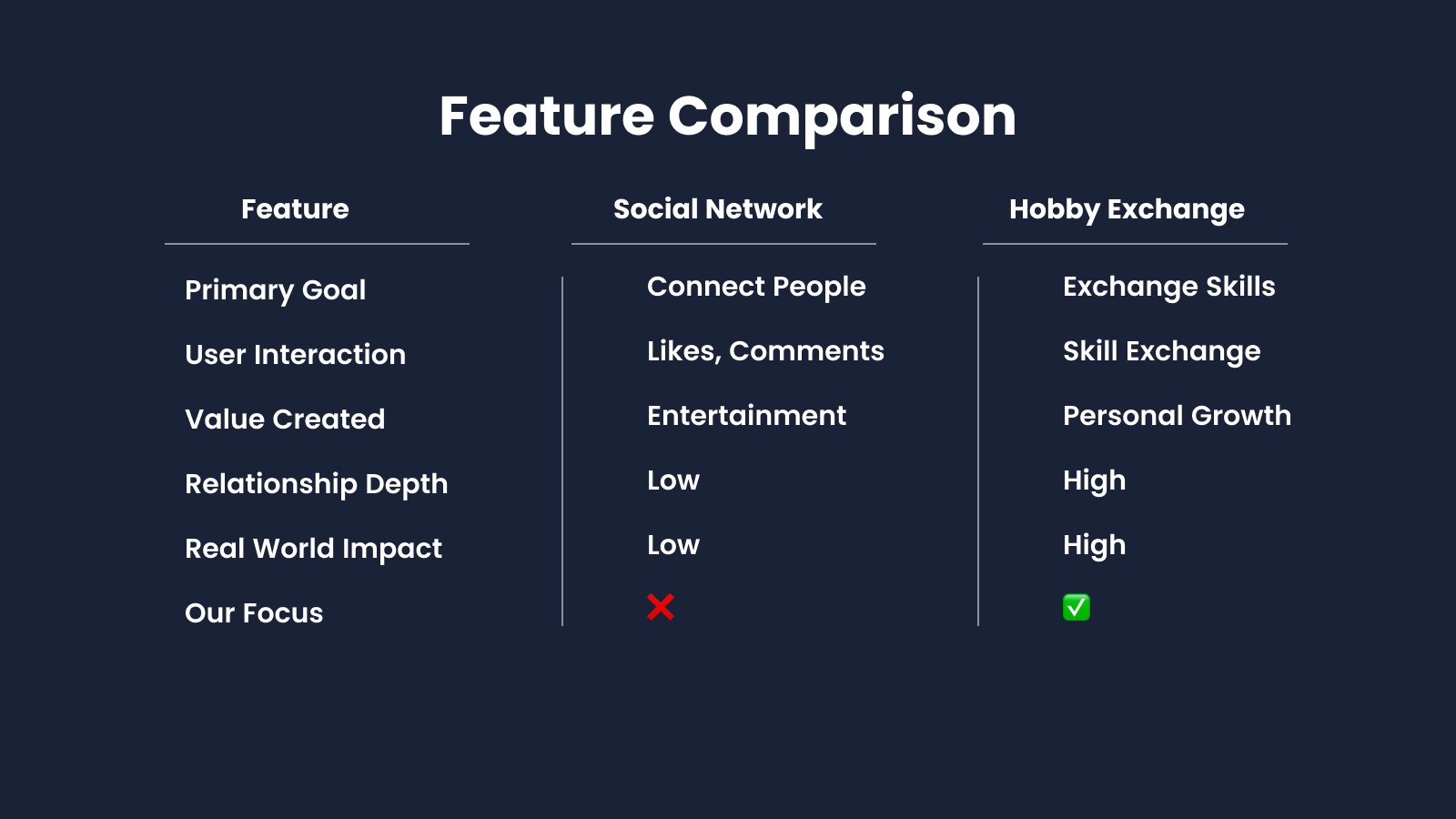
A conventional social networking model risked positioning HobbySwap as just another generic social media platform, making it difficult to differentiate from well-established competitors. More importantly, such a platform would continue to emphasize content sharing rather than solving the fundamental problem identified during the research phase and helping people build meaningful relationships through shared hobbies and active participation.
These considerations prompted the founders to explore alternative approaches that could deliver greater value and establish a stronger competitive advantage.
Option 1 : Learning Marketplace :
Another option the founders considered was positioning HobbySwap as a learning marketplace where users could teach hobbies, offer lessons, and potentially monetize their skills. This model presented several advantages, including the creation of revenue opportunities for both the platform and its users, while providing a strong value proposition for individuals seeking structured learning experiences.
However, the team identified several significant challenges. Implementing a marketplace would require secure payment systems, instructor verification, trust and safety mechanisms, dispute resolution processes, and additional administrative features, all of which would substantially increase development complexity.
Moreover, introducing paid services at an early stage could create higher barriers for new users, discouraging participation from individuals who simply wanted to explore hobbies and connect with others.
After careful evaluation, the founders decided not to adopt the marketplace model as HobbySwap's core offering. The primary purpose of HobbySwap was to build a community where people could discover hobbies, connect with like-minded individuals, exchange knowledge, and develop meaningful relationships through shared interests.
Rather than focusing on transactions, the platform would prioritize participation, collaboration, and community engagement. The founders believed that if a strong and active user community was established first, marketplace features such as paid lessons or premium skill-sharing opportunities could be considered as future enhancements based on user demand. This strategic decision allowed HobbySwap to remain focused on solving the core problem of connecting people through hobbies before expanding into monetization-oriented services.
Option 2 : Hobby Exchange Platform :
The third option was to develop HobbySwap as a hobby exchange platform, where users could connect through shared interests and exchange knowledge, experiences, and skills.
Unlike traditional social media platforms, HobbySwap was not designed as a video-sharing or content consumption platform. Instead of encouraging users to watch endless hobby-related videos or follow influencers, the platform focused on helping individuals actively participate in hobbies by connecting with like-minded people.
Users could discover new hobbies, find hobby partners, share experiences, ask questions, and learn from one another through meaningful conversations and collaboration. This unique approach positioned HobbySwap as a community built around participation rather than passive content consumption.
Although this concept offered a clear competitive advantage, it also introduced several challenges. Because the idea of a hobby exchange platform was relatively new, users would need to understand how it differed from conventional social media applications. Designing features that supported hobby discovery, user matching, community interaction, and knowledge sharing without relying on short-form videos or entertainment content also required a more thoughtful user experience. Nevertheless, after evaluating all three strategic options, the founders concluded that the hobby exchange platform best addressed the problem identified during their research. By prioritizing genuine connections, collaborative learning, and shared experiences over video consumption, this decision established the core identity of HobbySwap and distinguished it from both traditional social networks and online learning marketplaces.
Minimum Viable Product (MVP) Strategy:
To reduce development risk and validate the platform's core concept, the founders adopted a lean product developmentapproach by building a Minimum Viable Product (MVP) instead of attempting to develop every planned feature at once. The primary objective of the MVP was to test whether users would actively engage with a social platform centered on hobbies rather than traditional content consumption.
To achieve this, the initial version of HobbySwap was built around four essential features. First, hobby-based profiles enabled users to showcase their interests, skills, and passions, making it easier to connect with like-minded individuals.
Second, a personalized feed organized content according to users' hobbies and preferences instead of generic social interactions, ensuring that each user's experience remained relevant to their interests.
Third, real-time communication allowed users to connect directly through private messaging, encouraging meaningful conversations and knowledge sharing. Finally, the hobby discovery feature helped users explore new interests, discover communities, and expand their hobbies beyond their existing preferences. By concentrating on these core functionalities, the founders aimed to validate the fundamental assumption that users were willing to participate in a hobby-focused social experience and build meaningful relationships through shared interests before investing in more advanced features and platform expansion.
Technology and Development Approach:
One of the most important decisions in building HobbySwap was selecting the right technology stack. Rather than choosing technologies based solely on popularity, the team carefully evaluated the project's requirements, available resources, development expertise, scalability goals, and long-term maintenance needs. With limited resources and an ambitious product vision, every technology decision had to maximize efficiency while ensuring a high-quality user experience.
Technology Stack Selection:
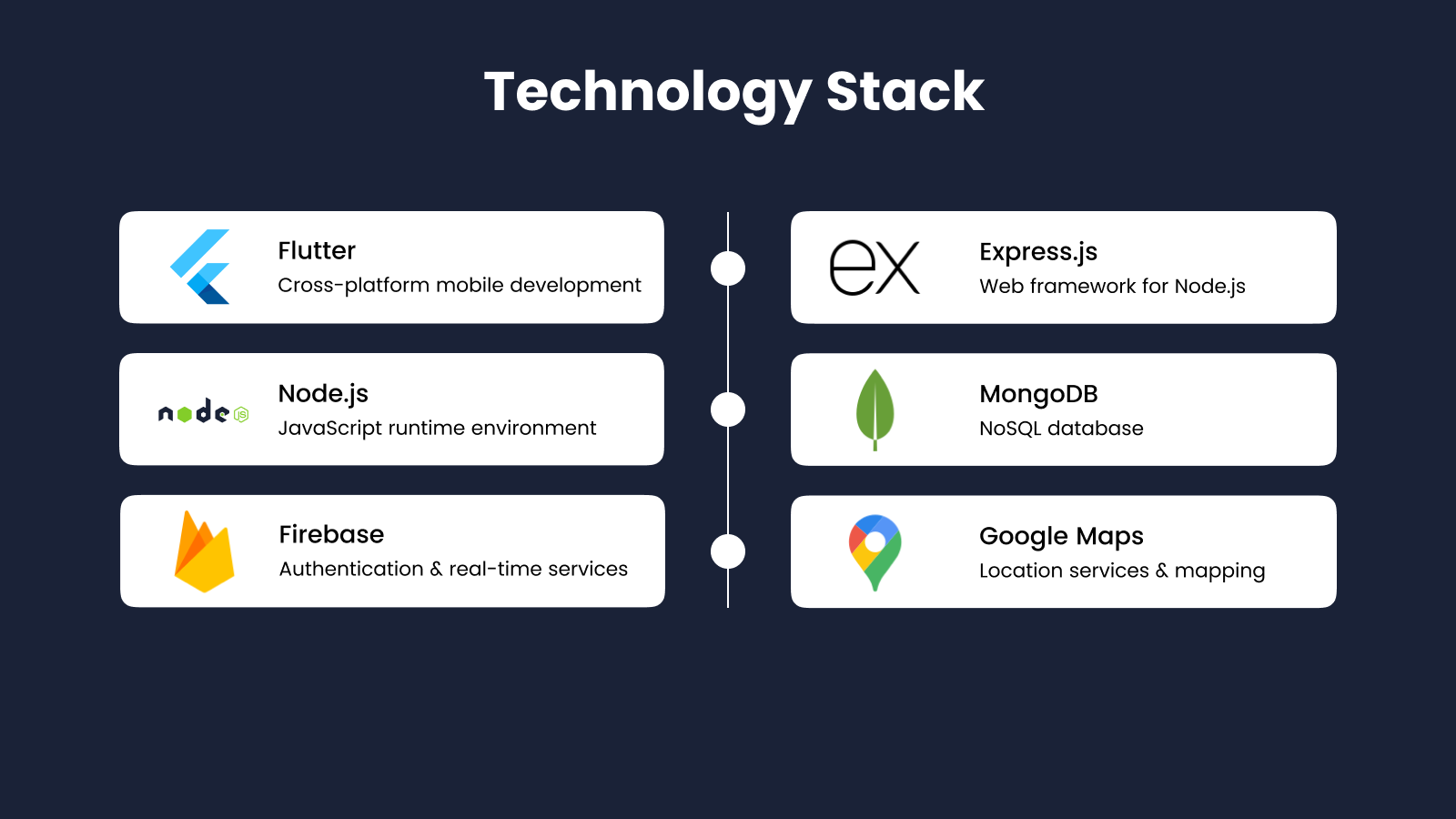
To accelerate development while ensuring long-term scalability and maintainability, the founders selected a modern technology stack that supported rapid iteration without compromising future growth. The mobile application was developed using Flutter, enabling a single cross-platform codebase for Android and iOS while reducing development time and ensuring a consistent user experience.
For the web application, the team initially adopted React.js because of its flexibility, component-based architecture, and rapid development capabilities. However, as the platform evolved, the founders recognized the importance of improving search engine visibility and website performance to support user acquisition.
Consequently, the web application was migrated to Next.js, leveraging server-side rendering (SSR), static site generation (SSG), enhanced search engine optimization (SEO), faster page loading, and improved overall performance.
Both the mobile and web applications shared a common backend built with Node.js and Express.js, providing a lightweight, scalable, and high-performance server environment capable of handling increasing user activity and API requests efficiently. MongoDB was selected as the primary NoSQL database, with Mongoose serving as the Object Data Modeling (ODM) library to simplify database operations, enforce schema validation, and maintain data consistency. To support the platform's core functionality, the team integrated Firebase Cloud Messaging for push notifications, Socket.IO for real-time messaging, and Google Maps Services for location-based hobby discovery and nearby user connections.
This carefully designed technology stack enabled the development team to maintain a unified ecosystem across mobile and web platforms, rapidly deliver new features, respond efficiently to user feedback, and provide the scalability and flexibility required for HobbySwap's long-term growth.
Early Product Challenges:
As development progressed, the core functionality of HobbySwap began to take shape. Users could create hobby-based profiles, browse a personalized feed, communicate through real-time messaging, and share hobby-related content.
From a technical perspective, the platform was stable and functional, successfully delivering the features outlined in the initial Minimum Viable Product (MVP). However, as the founders evaluated the user experience, they recognized a significant challenge.
Although the platform enabled users to interact with hobby-related content, it was not yet fostering the meaningful participation and genuine relationships that had inspired the idea behind HobbySwap. The product worked as intended, but it lacked a distinctive experience that clearly differentiated it from existing social networking platforms.
This realization prompted the founders to ask a critical strategic question: What makes HobbySwap fundamentally different from traditional social media? Answering this question became a turning point in the platform's development and ultimately led to one of the most important product decisions in HobbySwap's early history, shaping the unique value proposition that would define the platform moving forward.
Strategic Decision #2:
The Missing Swap Experience:
As internal testing continued, the founders identified a critical weakness in the platform's user experience. Users could create hobby-based profiles, share posts, discover communities, and communicate through direct messaging. However, the platform's defining promise—the concept of "swapping" hobbies—was largely absent.
Although HobbySwap successfully connected people, it did not provide a structured way for users to exchange knowledge, experiences, or skills. This created a strategic dilemma. The platform's name suggested an experience that was fundamentally different from traditional social networks, yet users could immediately start chatting without ever engaging in a hobby exchange.
The development team explored two possible approaches. The first was to keep direct messaging completely open, allowing users to communicate freely as on conventional social media platforms. While this offered a familiar and frictionless experience, it also risked reducing HobbySwap to another messaging application, weakening its unique value proposition.
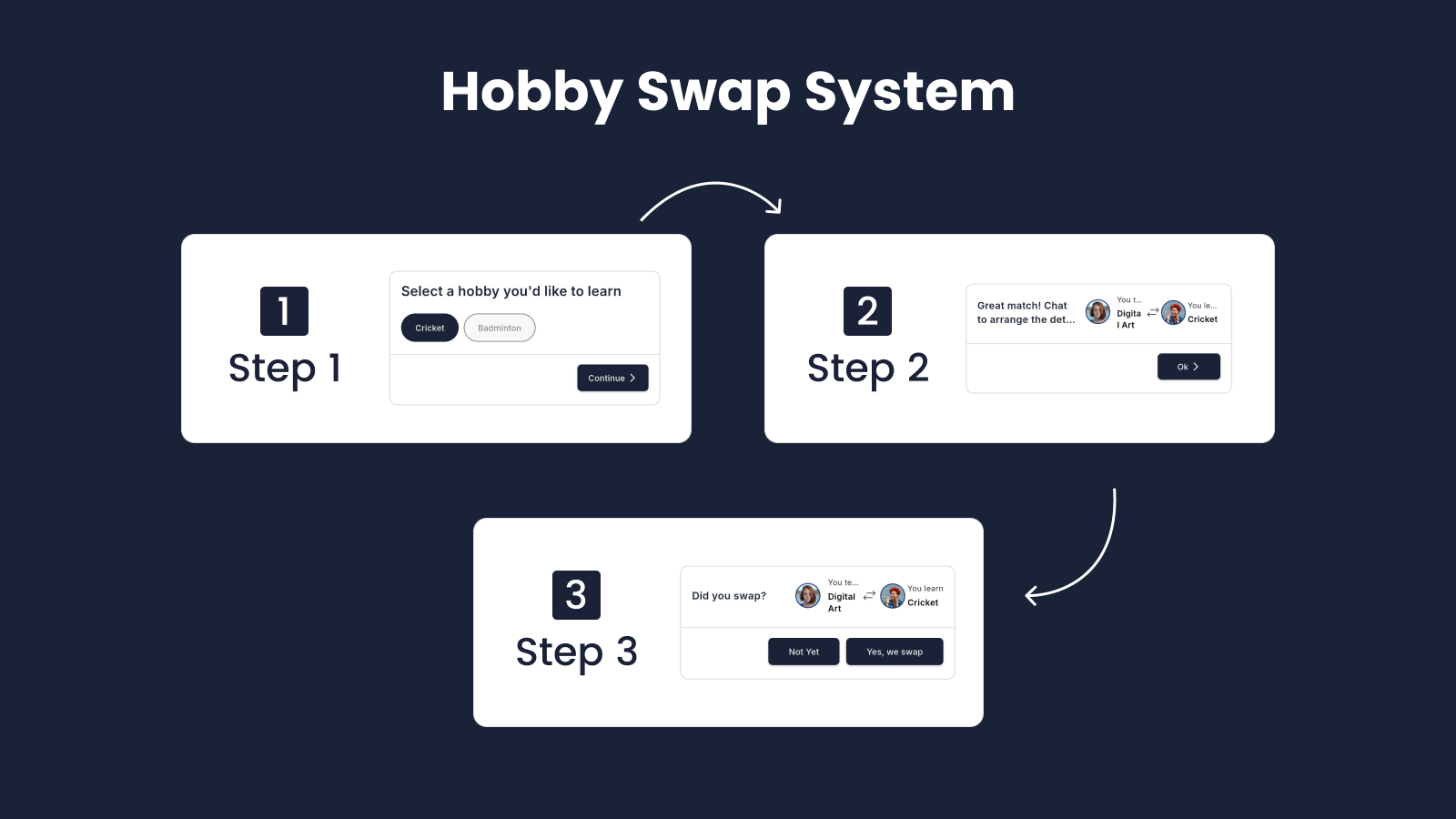
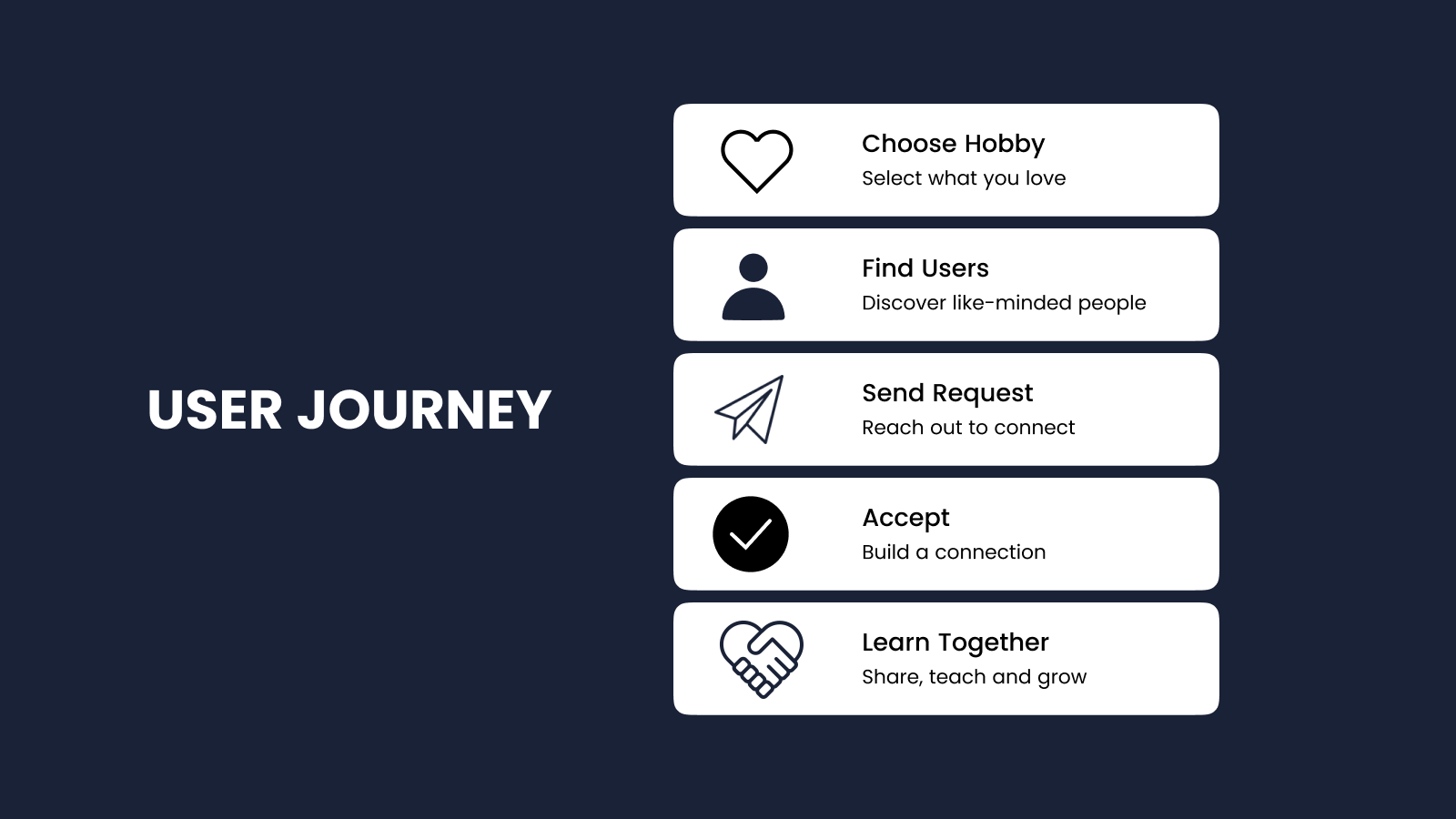
The second approach was to introduce a structured hobby swap request before granting full access to private conversations. Under this model, one user would send a hobby swap invitation, specifying the hobby they wanted to learn or share, while the recipient could accept or decline the request.
Until the invitation was accepted, the conversation would remain limited, ensuring that interactions were initiated with a clear purpose centered on hobbies rather than casual messaging.
After evaluating both approaches, the founders chose the second option. Although it introduced a small amount of friction into the user journey, it reinforced the platform's core identity and ensured that every meaningful conversation began with a shared interest or learning objective.
This decision transformed the chat feature from a simple messaging tool into the foundation of HobbySwap's unique exchange experience, making the concept of "swapping hobbies" a central part of the product rather than just its name.
Re-Imagining Hobby Exchange:
Designing the Hobby Exchange Experience:
After deciding that meaningful interactions should begin with a hobby exchange rather than unrestricted messaging, the founders returned to the platform's original vision. This led to the development of a structured hobby exchange system, where every conversation was initiated with a clear learning or sharing objective. Instead of simply sending a message, users could submit a hobby swap request, inviting another user to exchange knowledge, experiences, or skills related to a specific hobby.
For example, a guitarist could offer beginner guitar lessons in exchange for learning photography, a photographer could share camera techniques while learning digital illustration, a gardener could teach planting methods in return for cooking tips, or a fitness enthusiast could exchange workout strategies with someone experienced in yoga.
By encouraging reciprocal learning rather than passive social interaction, the platform transformed conversations into purposeful knowledge-sharing experiences.
This feature became the defining element that differentiated HobbySwap from conventional social networking platforms, where communication often lacks a specific objective. However, implementing this concept also introduced new product design and technical challenges, including designing an intuitive hobby swap request flow, managing request acceptance and rejection, defining when private messaging should become available, and ensuring that the overall user experience remained simple while reinforcing the platform's unique identity.
Location as a Growth Strategy:
Location-Based Hobby Discovery:
As development progressed, the founders recognized another important challenge: while digital interactions could introduce people with shared interests, meaningful friendships and long-term hobby engagement often develop through real-world experiences.
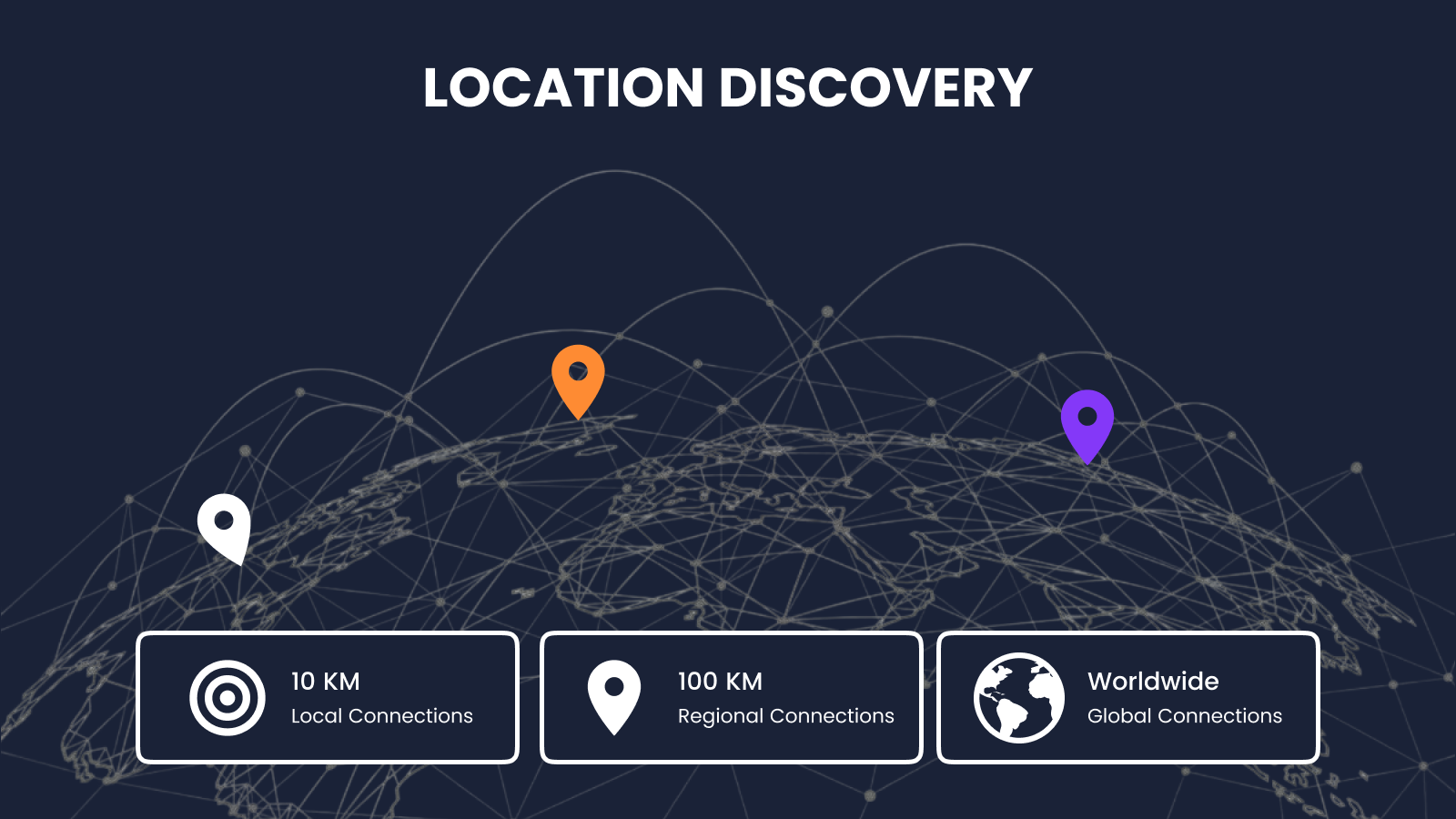
To bridge the gap between online connections , the team introduced location-based hobby discovery as a core feature of HobbySwap. Rather than connecting users solely through common interests, the platform also considered geographical proximity, making it easier for hobby enthusiasts to meet, collaborate, and learn together. Users were given the flexibility to discover people within a 10-kilometer radius, expand their search to 100 kilometers, or connect with hobby enthusiasts worldwide, depending on their preferences and learning goals.
By integrating Google Maps Services, HobbySwap provided location-aware recommendations that helped users identify nearby individuals with similar hobbies while preserving the option to build global connections. This feature significantly enhanced the platform's value by increasing opportunities for face-to-face collaboration, local hobby groups, workshops, and community events.
As a result, HobbySwap evolved beyond a conventional online social platform into a community-driven ecosystem that seamlessly connected digital interactions with real-world experiences, reinforcing its mission of helping people build meaningful relationships through shared passions.
Product Redesign and User Experience Evolution:
Enhancing the User Experience:
As HobbySwap evolved and new features were introduced, the founders realized that building functionality alone was not enough to ensure user adoption. Internal testing and user feedback revealed that while the platform offered innovative capabilities, users occasionally struggled to understand how to navigate the application and fully benefit from its unique hobby exchange concept.
Several usability challenges became apparent, including complex user journeys, unclear communication of the platform's value proposition, friction during the onboarding process, and confusion surrounding the hobby swap workflow. These issues highlighted that even well-designed features could fail if the overall user experience was not intuitive.
To address these challenges, the team undertook a comprehensive UI/UX redesign focused on simplifying interactions and improving usability. Navigation flows were streamlined to reduce unnecessary steps, interface elements were reorganized to make key actions more accessible, and onboarding was redesigned to help new users quickly understand the platform's purpose and functionality.
Most importantly, the hobby exchange process was refined with clearer visual cues and a more intuitive interaction flow, ensuring that users could easily initiate, accept, and participate in hobby swaps. Although this redesign required considerable time and development effort, it significantly improved the platform's usability, reduced user friction, and strengthened HobbySwap's ability to deliver a seamless and engaging experience that aligned with its vision of fostering meaningful connections through shared hobbies.
Responding to the AI Era:
Integrating AI to Encourage User Participation:
By 2026, the rapid advancement of generative artificial intelligence (AI) was transforming how users interacted with digital platforms. Observing this shift, the HobbySwap team recognized that many users were reluctant to create posts because developing engaging content required time, effort, and creativity.
This prompted an important strategic question: Could AI reduce the barriers to participation and encourage more users to contribute? To explore this opportunity, the founders integrated AI-assisted content creation into the platform.
Instead of requiring users to write posts from scratch, they could simply provide a topic, hobby idea, or short title, and the AI system would generate suggested titles, well-structured post descriptions, and complete content drafts that users could edit before publishing.
The goal was not to replace users' creativity or personal experiences but to simplify the content creation process and reduce the hesitation associated with writing. By lowering the effort required to share hobbies, ask questions, or start discussions, the AI-powered feature encouraged greater participation, increased user-generated content, and strengthened community engagement while allowing users to remain in full control of their final posts.
Gamification and Community Engagement:
Early testing revealed that attracting users to the platform was only the first step; sustaining long-term engagement required users to feel recognized and valued for their contributions. The founders observed that meaningful participation was more likely when users received visible acknowledgment for sharing knowledge, helping others, and remaining active within the community.
To encourage continued engagement, the team introduced a gamification system centered on achievement badges that rewarded user activity and community participation. Members could progress through multiple recognition levels—Bronze, Silver, Gold, and Platinum—based on their involvement, contributions, and interactions on the platform. Rather than serving as simple visual rewards, these badges were designed to motivate users to remain active, build credibility within the community, and inspire healthy participation.
By recognizing positive behavior and rewarding consistent engagement, the gamification system strengthened users' sense of achievement and belonging while reinforcing the collaborative culture of HobbySwap. This strategic addition became an important component of the platform's user retention strategy, helping transform occasional users into active community members who continuously contributed to the growth of the hobby exchange ecosystem.
Expanding Engagement Beyond Hobbies:
Mini-Games & Leaderboards:
The team also explored additional ways to enhance user engagement by introducing mini-games and leaderboards as complementary features within the platform. While these elements were not central to HobbySwap's core mission of connecting people through shared hobbies, they enriched the overall user experience by increasing session duration, encouraging friendly competition, and providing entertainment.
To further strengthen community interaction, users could share their leaderboard rankings directly in the chat, sparking conversations, friendly challenges, and greater social engagement.
Together, these features rewarded participation, created enjoyable moments beyond hobby discovery, and contributed to stronger user engagement, increased community involvement, and improved long-term retention.
The Learning Journey:
The development of HobbySwap generated several important insights.
Firstly, the development of HobbySwap demonstrated that successful products must solve real user problems rather than relying on technology alone. Building features is not enough unless they address genuine user needs and create meaningful value.
Secondly, the team learned that differentiation is essential in a competitive market. HobbySwap's strongest value proposition emerged only after the hobby exchange concept was fully developed, proving that a unique and well-defined idea is critical for standing out. The project also reinforced the importance of user experience, as even valuable features can fail if users struggle to understand or navigate them.
Thirdly, the team discovered that iteration is a fundamental part of innovation. Several key product decisions evolved through continuous testing, user feedback, and refinement. Most importantly, the platform showed that long-term success is driven by community, with the most meaningful user experiences occurring when people connected through shared hobbies and interests rather than simply consuming content.
The Strategic Question Ahead:
As HobbySwap continues to grow, the next strategic challenge is determining how the platform should evolve beyond hobby discovery and social connection. One promising direction is the development of a marketplace where users can offer paid workshops, sell handcrafted products, provide one-on-one coaching, or monetize their expertise through hobbies. Such an evolution would transform HobbySwap from a social networking platform into a thriving creator ecosystem, enabling users not only to connect through shared interests but also to generate value from their skills and passions.
While this opportunity presents exciting possibilities for long-term growth and sustainability, the platform's core mission remains unchanged: helping people build meaningful relationships through shared hobbies. The challenge moving forward is to introduce new monetization opportunities while preserving the authentic, community-first experience that defines HobbySwap.
References:
Ellison, N. B., Steinfield, C., & Lampe, C. (2007). The benefits of Facebook friends: Social capital and college students' use of online social network sites. Journal of Computer-Mediated Communication, 12(4), 1143–1168. https://doi.org/10.1111/j.1083-6101.2007.00367.x
Pew Research Center. (2024). Social media use and its impact on social connection. https://www.pewresearch.org/
Statista. (2024). Number of social media users worldwide from 2017 to 2029. https://www.statista.com/
The Cigna Group. (2023). Loneliness in America. https://www.cigna.com/
U.S. Department of Health and Human Services. (2023). Our epidemic of loneliness and isolation: The U.S. Surgeon General's advisory on the healing effects of social connection and community. https://www.hhs.gov/
Frequently Asked Questions
1. What is HobbySwap?
HobbySwap is a community-driven social platform that helps people discover hobbies, connect with individuals who share similar interests, exchange knowledge, and build meaningful relationships through shared passions.
2. How is HobbySwap different from traditional social media?
Unlike traditional social media platforms that prioritize content consumption, HobbySwap focuses on active participation. Users connect through hobby exchange requests, collaborative learning, and real-world interactions rather than endless scrolling.
3. Why was the hobby exchange model chosen instead of a marketplace?
The founders believed that building an engaged community should come before monetization. Introducing paid services too early could discourage participation and increase platform complexity.
4. Why did HobbySwap adopt an MVP strategy?
Developing a Minimum Viable Product allowed the team to validate the core concept, gather user feedback, and reduce development risk before investing in advanced features.
5. What technologies power HobbySwap?
The platform uses Flutter for mobile development, Next.js for the web application, Node.js and Express.js for backend services, MongoDB for database management, Socket.IO for real-time communication, Firebase Cloud Messaging for notifications, and Google Maps Services for location-based discovery.
6. Why are hobby swap requests required before private messaging?
The structured hobby swap request ensures conversations begin with a shared learning objective, reinforcing HobbySwap's mission of meaningful collaboration rather than casual messaging.
7. How does AI improve the HobbySwap experience?
AI assists users in creating titles, descriptions, and draft posts, lowering the effort required to participate while allowing users to edit and personalize the final content.
8. Why does HobbySwap include gamification?
Achievement badges, leaderboards, and recognition systems encourage continued participation, reward positive contributions, and strengthen community engagement.
9. What role does location play in HobbySwap?
Users can discover hobby partners within configurable geographic ranges, making it easier to transition from online interactions to real-world collaboration.
10. What are HobbySwap's future plans?
Future development may include creator monetization, paid workshops, coaching, digital products, and a marketplace while preserving the platform's community-first philosophy.